
Tteokguk is Korean rice cake soup: soft, chewy slices of rice cake in a mild, milky beef broth. It’s savory, gentle, and not spicy at all. Koreans eat it on Lunar New Year morning, and many families add dumplings to make tteok mandu guk.
Traditional recipes start by simmering beef for an hour or more. I skip that step. I make tteok mandu guk with a store-bought beef bone broth pack, frozen dumplings, and a little garlic. Then I top each bowl with thin strips of egg. Dinner is ready in about 30 minutes.
Quick answer:
- What it is: a soup of sliced rice cakes in beef broth, often with dumplings
- Spice level: 0 (out of 3)
- Must-haves: sliced rice cakes, beef bone broth, and frozen dumplings
- Time: about 30 minutes
What Is Tteokguk?
Tteokguk (떡국, “DDUK-gook”) means rice cake soup. Tteok is the Korean word for rice cake, and guk means soup. You may also see it spelled ddukguk or duk guk.
Korean rice cakes for soup are made from rice flour and water. Long white logs are cut into thin oval slices that look a bit like old coins. They’re firm when raw, and they turn soft and chewy in hot broth. These are different from Japanese mochi, which is sweeter and much softer.
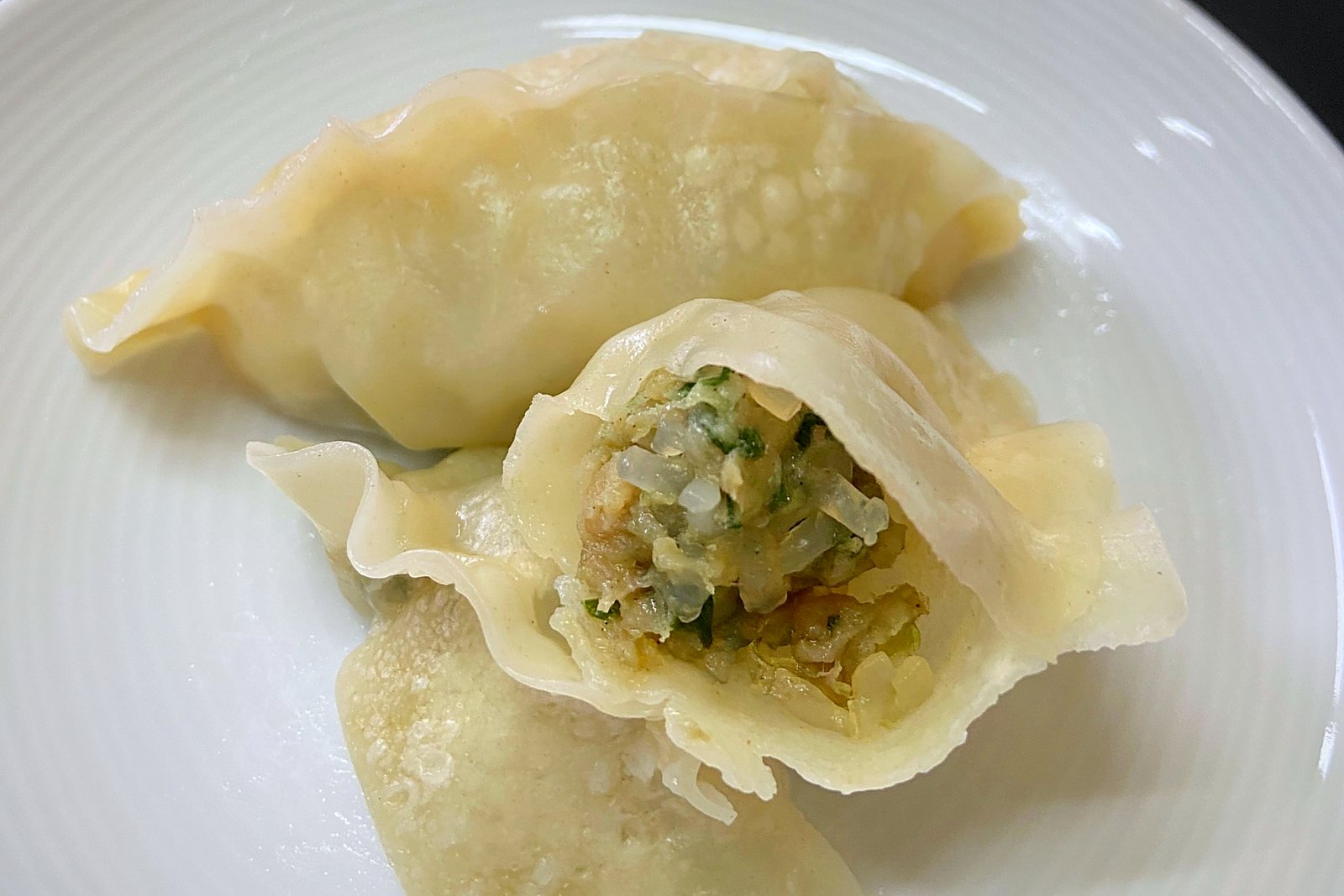
When you add dumplings, the soup becomes tteok mandu guk (떡만둣국). Mandu are Korean dumplings, and they make the bowl more filling.
What Does Tteokguk Taste Like?
The broth tastes clean, beefy, and lightly salty. Beef bone broth is cloudy white and has a rich, rounded flavor. Garlic and green onion add a fresh note.
On their own, the slices have very little taste. They soak up the broth and feel soft, a little slippery, and chewy. The dumplings bring meat and vegetables, and the egg strips add color and a mild, eggy flavor. It’s a cozy soup for a cold morning.
Is Tteokguk Spicy?
No. Tteokguk is a 0 on this blog’s 0 to 3 spice scale. There’s no chili in the broth, so it works for kids and anyone who avoids heat. If you like some spice, serve it with kimchi on the side or sprinkle a pinch of gochugaru (Korean chili flakes) on your own bowl. Our Korean Spice Guide compares it with other dishes.
How Koreans Eat Tteokguk on Lunar New Year
Lunar New Year is called Seollal in Korea. On the morning of the holiday, families sit down together to a bowl of tteokguk. White rice cakes stand for a clean, fresh start to the year, and their round shape is linked to wishes for good fortune.
There’s also a playful saying: you turn one year older when you finish your bowl. Some kids even ask for a second bowl so they can grow up faster.
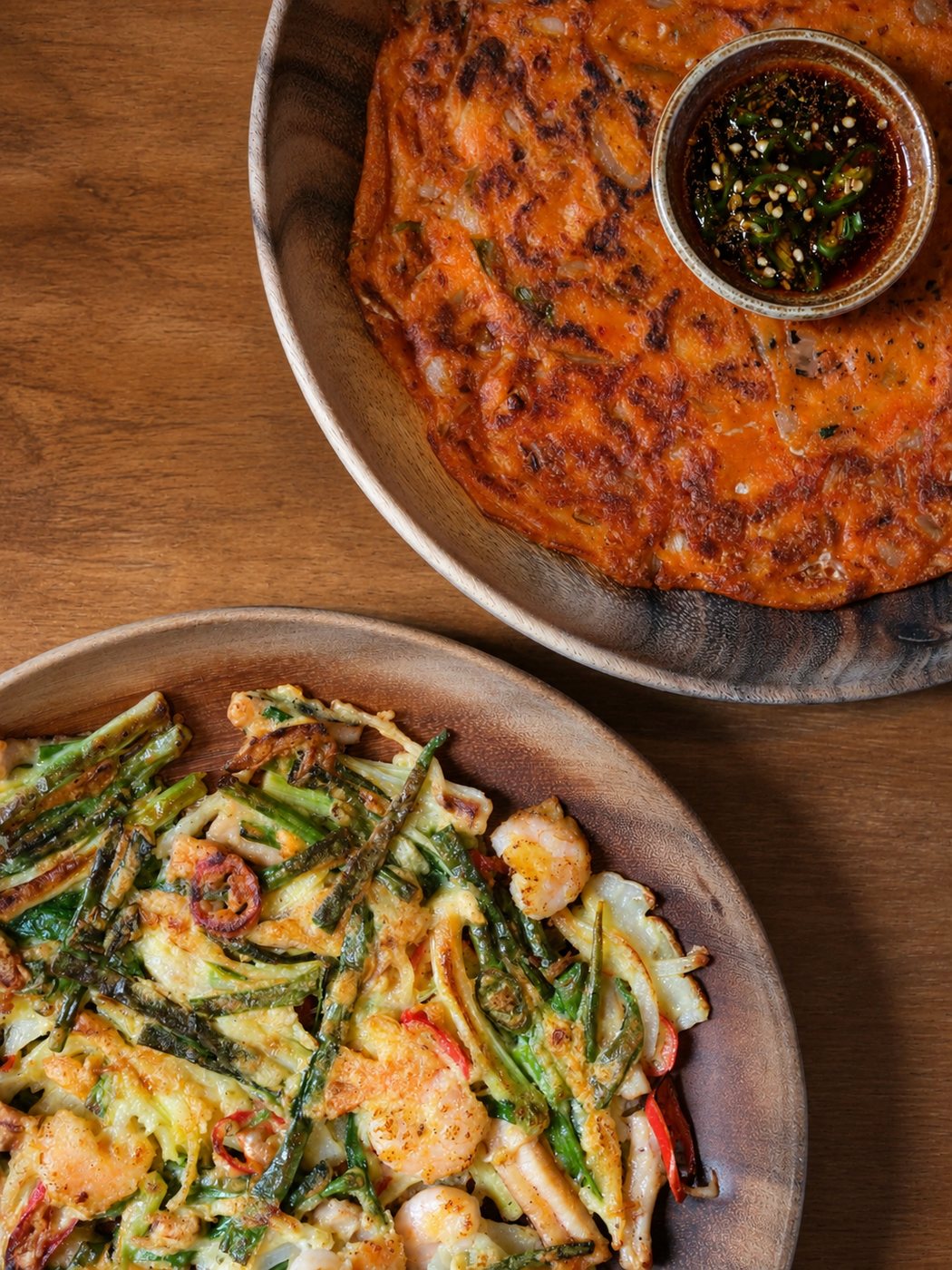
Tteokguk isn’t only for the holiday, though. People eat it in winter as a quick meal, and many Korean restaurants serve it all year. It usually comes with kimchi and a few small side dishes called banchan. On the holiday table, you’ll often see jeon, crispy savory pancakes, next to it. Spoon the broth, and pick up rice cakes and dumplings with chopsticks.

Tteokguk Ingredients and Where to Buy Them
You only need a few ingredients. A Korean market such as H Mart will have everything. Online grocers like Weee! also carry them.
- Sliced rice cakes: look for bags labeled “sliced rice cake” or “rice cake for soup,” and 떡국떡 on the front. They’re in the fridge or freezer section. The label should list rice, water, and salt.
- Beef bone broth: Korean markets sell ready-to-eat packs of milky beef bone soup, called sagol (사골) in Korean. Each pack is about 17 ounces (500 g). I often use Bibigo Beef Bone Flavored Soup, but any brand from the Korean market works.
- Frozen dumplings: any store-bought Korean mandu works. Many supermarkets now sell them in the freezer aisle.
- Guk-ganjang: soup soy sauce (국간장). It’s lighter in color and saltier than regular soy sauce, so the broth stays pale.
- Toppings: eggs, green onion, and gim (김), the dried seaweed sheets used for kimbap. Crumbled seaweed snacks also work.
Which beef bone broth should you buy?
Korean bone broth packs taste rich and milky, and they’re ready to heat. Many are already salted. My Bibigo pack lists 650 mg of sodium per half pack, so I always taste the soup before I add soy sauce or salt. The package also warns that boiling it too long makes it saltier.
Read the ingredient list too. The Bibigo broth contains soy and wheat, which matters if you avoid gluten.
Regular boxed beef broth from the supermarket is thinner and clear. It tastes different, but it still makes a good soup.
| If you can’t find | Use | What changes |
|---|---|---|
| Sliced rice cakes | Tteokbokki rice cakes, cut into thin diagonal slices | Same rice cake, just a different shape |
| Korean bone broth packs | Boxed beef broth or beef bone broth | Clear instead of milky. Use low-sodium broth and add water if it tastes salty. |
| Guk-ganjang | Regular soy sauce or salt | Regular soy sauce darkens the broth, so use only a little. |
| Korean dumplings | Any frozen pork or vegetable dumplings | Fine for flavor. Thin-skinned dumplings may tear, so add them late. |
Japanese mochi won’t work here. It melts in hot soup instead of staying chewy. For more swaps, try our Korean Ingredient Substitutes Finder.

Easy Tteok Mandu Guk With Store-Bought Broth
This is the version I make at home. The broth comes from a pack, and the dumplings come from the freezer. The only extra step is a thin egg topping.

Easy Tteok Mandu Guk With Store-Bought Broth
Ingredients
Equipment
Method
- Soak the sliced rice cakes in cold water for about 10 minutes (20 to 30 minutes if frozen), until the slices separate and bend a little.
- While they soak, beat the egg with a pinch of salt. Cook it in a lightly oiled nonstick pan over low heat for 1 to 2 minutes, until set, then flip for 10 to 20 seconds. Cool, roll up, and slice into thin strips.
- Slice the green onion thinly on a diagonal.
- Bring the broth, water, and garlic to a boil over medium-high heat.
- Drain the rice cakes and add them to the boiling broth. Cook for about 2 minutes.
- Add the frozen dumplings. Simmer for 4 to 5 minutes, until the dumplings are puffed and steaming hot inside and the rice cakes float and feel soft all the way through.
- Taste the broth first. Stir in the guk-ganjang if needed, then add salt a pinch at a time.
- Add the green onion and turn off the heat.
- Ladle into bowls and top with egg strips, crumbled gim, and sesame seeds. Add black pepper if you like. Serve right away.
Notes
- Spice level: 0 on the blog’s 0 to 3 scale. Serve kimchi on the side for heat.
- Most broth packs are already salted, and long boiling makes them saltier. Taste before seasoning.
- Large dumplings may need a few extra minutes. Watch the rice cakes so they don’t get too soft.
- Leftovers: refrigerate within 2 hours and use within 3 to 4 days. Reheat with extra broth or water until steaming hot (165°F / 74°C). The rice cakes soften and soak up broth as they sit.
- Freeze extra uncooked rice cakes, since they turn hard in the fridge.
- Allergens: wheat and soy (broth, dumplings, soy sauce), egg, beef, sesame. Dumplings may contain pork.
- Safety: rice cakes are chewy and sticky. Cut them small for young children and older adults.
- Vegan option: vegetable or kelp-shiitake broth, vegan-labeled dumplings, no egg.
I put the rice cakes in first. If your dumplings are large, check the bag and give them a few extra minutes. Watch the rice cakes so they don’t get too soft.

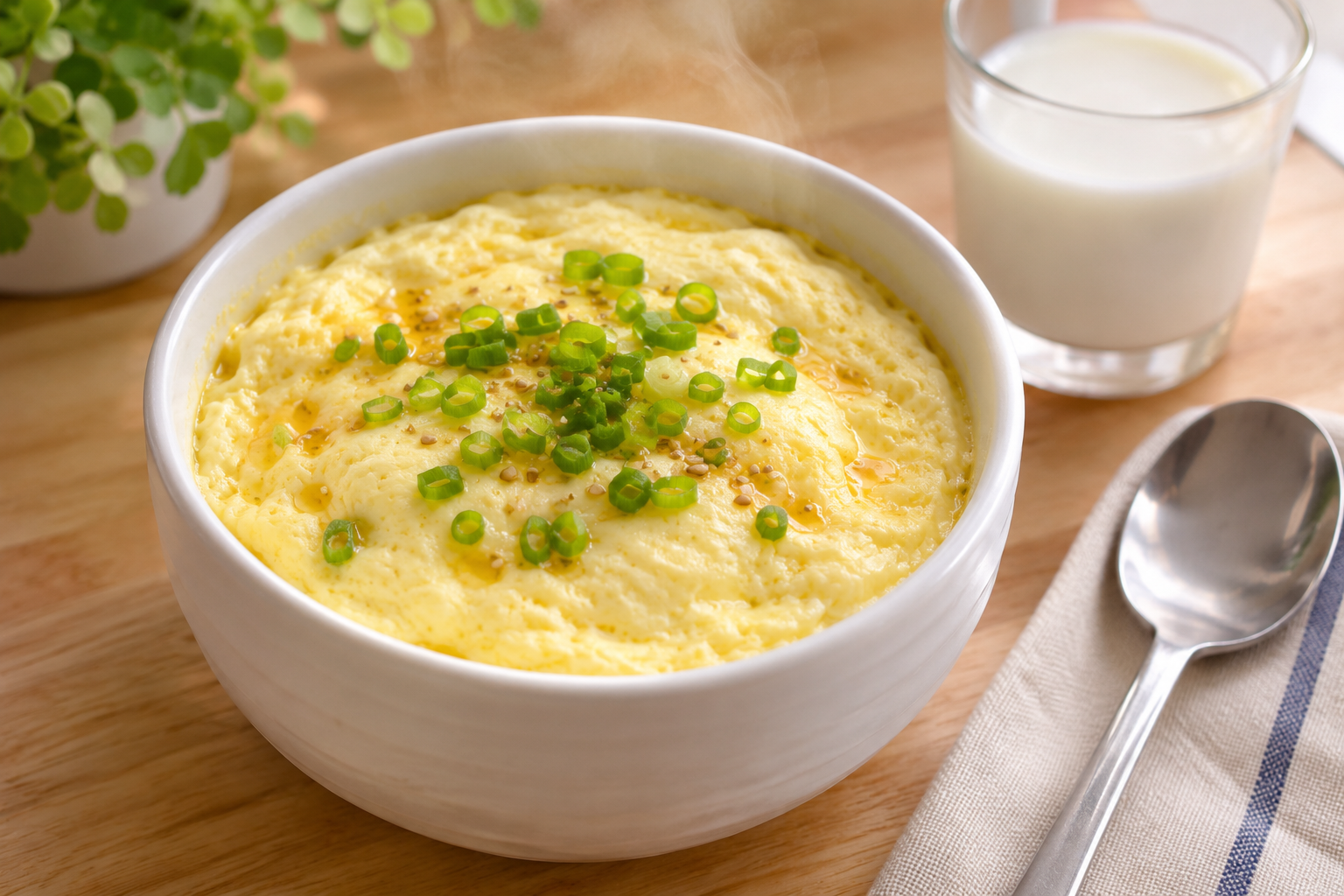
How to Make the Egg Garnish for Tteokguk
Koreans call this thin omelet jidan (지단). It’s my everyday tteokguk topping, and it takes about 5 minutes.
- Beat the egg with a pinch of salt until no streaks of white remain.
- Heat a nonstick pan over low heat. Wipe it with a thin layer of oil using a paper towel.
- Pour in the egg and tilt the pan so it spreads into a thin, even layer.
- Cook for 1 to 2 minutes, until the top is set and no longer wet. Keep the heat low so it stays yellow, without brown spots.
- Flip it gently and cook for 10 to 20 seconds. Slide it onto a cutting board.
- Let it cool for a minute, roll it up, and slice it into thin strips.
For a two-color garnish, cook the yolk and white separately. Another option is to stir a beaten egg into the boiling soup at the end. It forms soft ribbons, like egg drop soup.

Is Tteokguk Vegetarian or Vegan?
No. Classic tteokguk uses beef broth, and the egg and most frozen dumplings contain animal products. Plain rice cakes, on the other hand, are usually vegan.
A vegan version takes a few swaps:
- Broth: use vegetable broth, or simmer dried kelp and dried shiitake mushrooms in water for 15 to 20 minutes.
- Dumplings: choose ones labeled vegan. Many vegetable dumplings still contain egg or pork fat, so read the ingredient list.
- Topping: skip the egg. Use green onion, toasted seaweed, and thin strips of sautéed zucchini.
- Check the labels: some soup soy sauces and seasonings include anchovy, fish sauce, or beef extract.
The flavor will be lighter and more earthy, but the chewy slices still make it satisfying.
Why Are My Rice Cakes Hard or Mushy?
The rice cakes are hard in the middle. They didn’t soak or simmer long enough. Cook them a few minutes more, until they float and bend easily.
Everything turned mushy. The rice cakes cooked too long. Add them near the end and serve the soup right away.
The slices stuck together. Frozen ones tend to clump. Soak them in cold water until they separate, and stir once after they go into the pot.
The broth got thick and cloudy. Starch from the slices thickens the soup, and that’s normal. Add a splash of hot water if you want it thinner.
The soup tastes too salty. Most broth packs are already salted, and long boiling makes them saltier. Add water, and taste before you season next time.
The dumplings broke open. The boil was too hard. Keep it at a gentle bubble once the dumplings go in.
How to Store and Reheat Tteokguk
Tteokguk tastes best fresh. As it sits, the slices keep soaking up broth, so leftovers turn thick and soft.
- Cool it fast: refrigerate leftovers within 2 hours, or 1 hour if your kitchen is above 90°F (32°C).
- Fridge: keep it in a covered container for up to 3 to 4 days.
- Reheat: warm it in a pot with extra broth or water. Heat until it’s steaming hot, or 165°F (74°C).
- Uncooked rice cakes: freeze extra slices in a zip-top bag, since they turn hard in the fridge.
- Make it ahead: cook only the broth ahead of time. Add rice cakes and dumplings just before you eat.
Allergens: wheat and soy (broth, dumplings, and soy sauce), egg, beef, and sesame seeds. Dumplings may also contain pork, so check your package.
Safety: rice cakes are chewy and sticky. Cut them into small pieces for young children and older adults, and remind everyone to chew well.

Tteokguk FAQ
Why do Koreans eat tteokguk on New Year’s Day?
White rice cakes stand for a clean start, and the coin shape is linked to good fortune. Many people also say you turn a year older after eating it.
What’s the difference between tteokguk and tteok mandu guk?
Tteokguk has only rice cakes. Tteok mandu guk adds dumplings. Both use the same broth.
Can I use tteokbokki rice cakes for tteokguk?
Yes. Slice the cylinders thinly on a diagonal so they cook evenly. Our tteokbokki guide covers these rice cakes.
Is tteokguk gluten-free?
The rice cakes usually are. The dumplings, most soy sauce, and some broth packs contain wheat, so the full bowl usually isn’t.
For your first try, make tteok mandu guk with a broth pack and frozen dumplings. It’s a calm, mild soup that makes a good start to the new year, or to any cold winter day. To learn more about the dumplings, see our Korean dumplings guide.


Leave a Reply